
Generative image & video models
Visual models with consent built in.
The second research pillar: generative image and video models for controllable synthesis, reference-guided creation, localisation, Cantonese voice, dubbing, lip synchronisation and consent-based digital presenters.
WB Visual Model / Preview
Visual generation and safety pipeline
- 01 Define visual intentPrompt, references and rights Ready
- 02 Verify data rightsImage, identity and voice consent Locked
- 03 GenerateImage, video, voice and localisation Locked
- 04 Human reviewDisclosure and quality gate Locked
- 05 PublishWatermark and provenance Locked
Deterministic front-end demonstration. No generation runs in the browser, and no model is called.
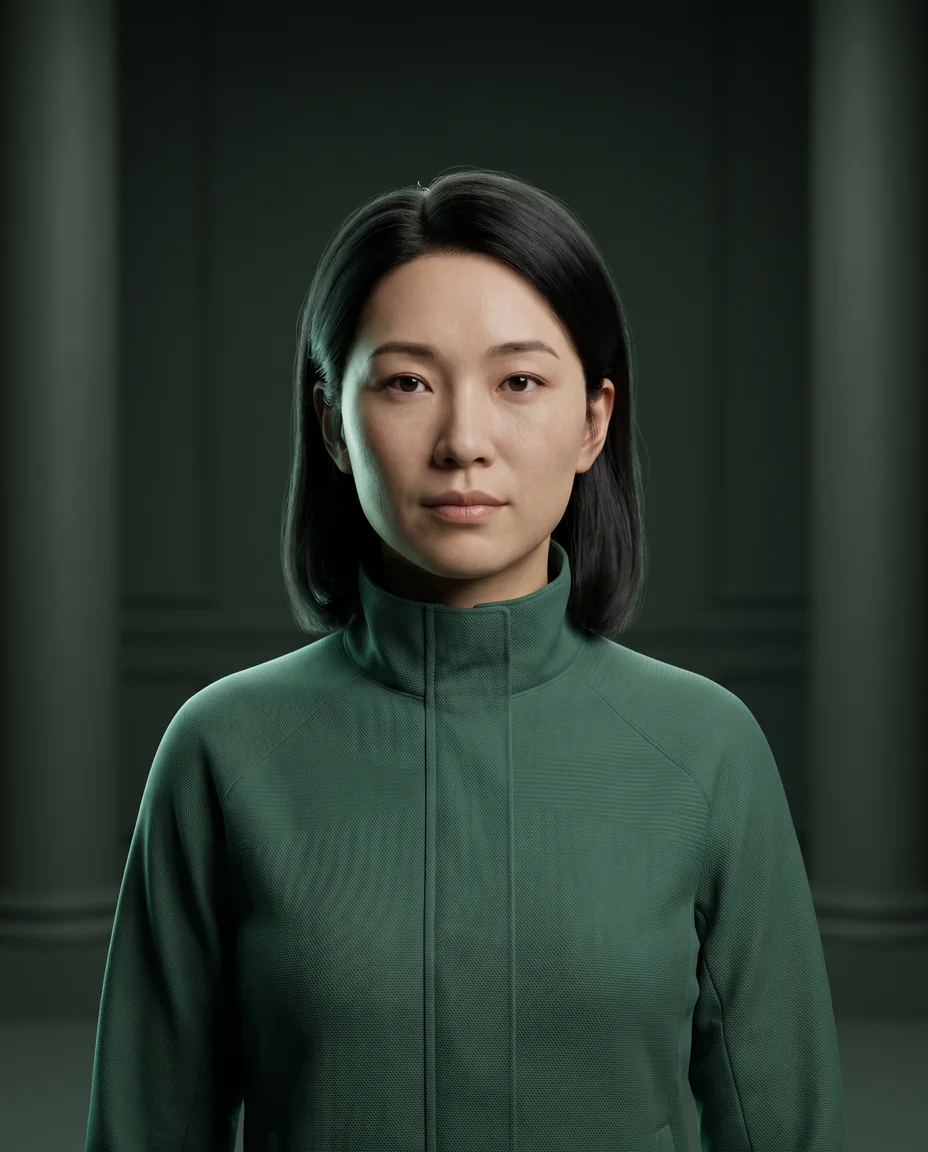
The presenter shown here is an AI-generated fictional person. It is not a real person, an employee, a clinician or a licensed adviser, and it gives no advice.
Nine steps, and no publishing before the ninth.
Define visual intent
Purpose, audience, owner and the requested output, recorded before anything is made.
Validate the material
Prompt, script, factual claims and source rights checked.
Clear consent
Only reference images, likenesses and voices covered by current, purpose-specific consent are used.
Record the run
Model version, provider, prompt, references, seed and parameters kept with the output.
Generate in isolation
Inside a job with time, cost and content limits.
Scan the output
Identity, disclosure, safety and policy failures, before anyone sees it.
Disclose
Visible AI disclosure plus supported provenance metadata or watermarking.
Named human review
A named reviewer approves the exact asset hash before publication.
Keep the controls
Revocation, deletion and incident response stay open after publishing.
Where the visual models are applied.
- Image synthesis
- Video generation
- Care education
- Staff training
- Product demonstrations
- Localisation and dubbing
What is measured.
- 01 Prompt fidelity: whether the output is what was asked for.
- 02 Visual quality, judged by a person rather than by a score alone.
- 03 Identity similarity, and only ever inside an authorised scope.
- 04 Cantonese speech alignment, checked on real Cantonese material.
- 05 Disclosure visibility and provenance retention.
- 06 Human-review completion: how often a named reviewer signed off, and what they rejected.
The character and the rights are separate questions
A presenter may only be built from a likeness whose owner has given purpose-specific consent, and consent can be withdrawn afterwards.
Every published asset carries a visible AI disclosure. A synthetic person is never presented as a real member of staff.
Nothing is generated from a reference the client cannot show a right to.
Next step
Start with a conversation.
A consultation is a scoped conversation about what you need, not a sales call. You will leave it knowing whether this is the right practice for the work.